Looking to save energy costs with LED retrofits? Continue reading to find out how!
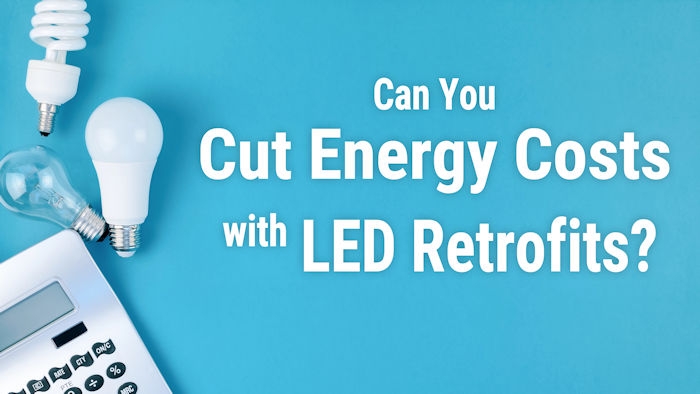
LEDs. I’m sure you’ve heard of them. They’re the little light-emitting diodes that many businesses and homeowners have been using to light their spaces. But why is that?
If the blog’s title didn’t give it away, energy efficiency might have a part to play in it, but that’s not all. There’s still more to consider when it comes to LEDs.
If you’re curious to know whether they’re worth your investment, and if they really can cut energy costs, I’d recommend reading on.
What is LED Retrofitting?
Perhaps you’ve come across the term retrofitting before, or maybe, this blog is your first introduction to it. You might be curious as to what it means.
To simplify it, retrofitting is the process of changing out an existing feature in your facility or home for something new and more desirable. Think of it as an upgrade or conversion.
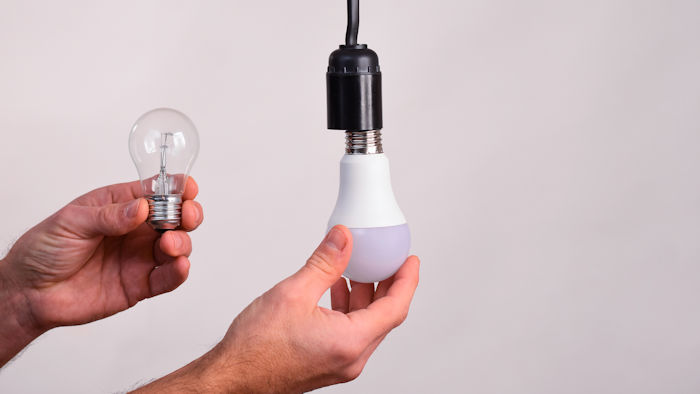
Now add LED to the start of retrofitting and it becomes clear what it means. If you perform an LED retrofit, you’re essentially replacing the current lighting that you use with LEDs.
With that explanation out of the way, let’s head on to the next topic.
Why LED Retrofits are Worth Considering
Energy Efficiency
As you might have guessed, one of the key benefits of using LEDs is their energy efficiency.
According to the US Department of Energy, residential LEDs have the potential to last up to 25 times longer than incandescents.
This is because the light emitting process of LEDs differ from incandescents and fluorescents. Instead of using heat or mercury, LEDs directly convert electricity into light while using up to 75% less energy.
So, if the bulbs you currently have aren’t the right fit, then it might be worth it to try out some retrofitting!
Dimming Features
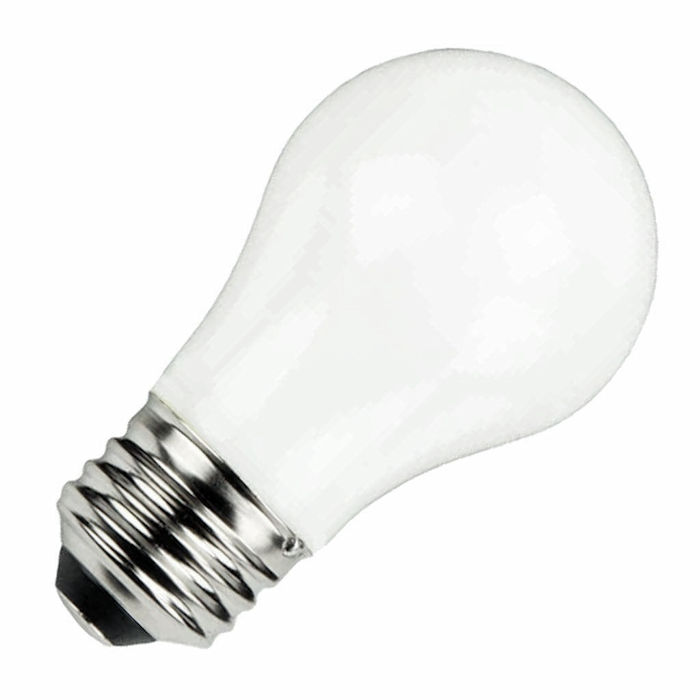
While they might not always come with dimming, when they do, LEDs offer a wider range of colors and dimming options than incandescents. And when partnered with the correct drivers and dimmers, they can avoid the flickering that CFLs and fluorescents face when dimming.
For those interested in having a bit more control in the dimming department, LEDs are a strong option.
Lighting Features
Thanks to their semiconductors, LEDs have the neat ability to display a large number of colors. Whether the bulb utilizes the full RGB range, or just a singular color, you can expect the light to come across as clear and vibrant.
Though known for their cooler-toned whites, they can also emit the same warm whites as other bulbs. This flexibility gives them a competitive edge over other bulbs that don’t have access to as many lighting options.
It’s also good to note that LEDs maintain a high standard for their lighting quality, ensuring that all their light renders properly.
Lighting Bans
As of 2026, more states have followed through with implementing fluorescent bans in America. With this shift, comes a natural gravitation towards LEDs.
Even if you prefer your current lighting, there’s still a chance that your state will follow suit, that is if it hasn’t already.
By performing a retrofit, you can improve your lighting while also preparing yourself for any bans to come in the future.
Retrofitting Your Business
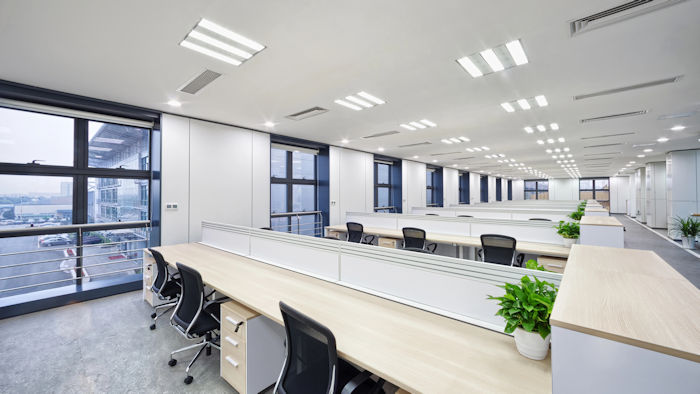
Lighting is an essential part of any business, which means that a retrofit is no small change. Whether you go all in, or tackle the process one room at a time, you’ll want to be sure it’s worth it.
Thankfully, we’ve already established that LEDs consume less energy, and when less energy is consumed, energy costs go down. But that’s not all.
The right quality LEDs can have double or even triple the lifespan of other bulbs. Which in turn requires fewer replacements, lowering your maintenance costs.
As a business, you’ll feel the positive impacts of retrofitting the most in spaces that require continual lighting throughout the day, for example: warehouses, offices, workspaces, etc. Besides cost efficiency, the effects of bright, high quality lighting and lessened eye strain will also be felt.
LEDs can also help a lot with exterior lighting. Their bright illumination can help reduce the troubles of lower visibility at night.
LED retrofits are an incredibly good fit for businesses that are looking to cut energy costs while still utilizing the fixtures they have in place. However, if you're looking to replace your fixtures as well, I’d recommend clicking here for a look at the differences between new fixtures and LED retrofits.
Retrofitting Your Home
If you decide to retrofit your house, you shouldn’t expect your energy savings to be as dramatic as that of a business, but that’s only because of the scale of the retrofit being performed.
They are still incredibly viable for homeowners nonetheless.
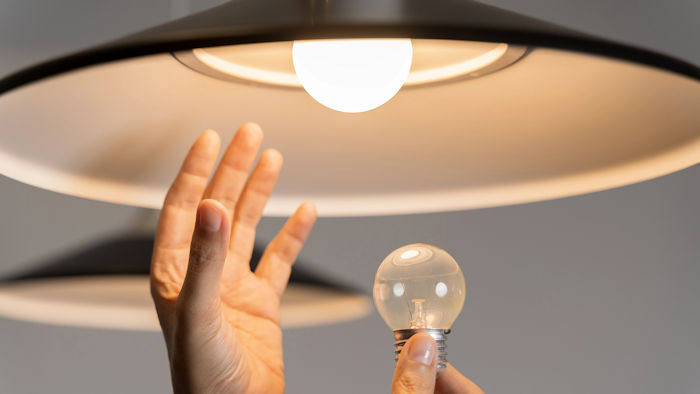
One of the neat aspects of a retrofit is that it allows you to access the conveniences of newer technology, while holding on to old fixtures. That way, you can keep your favorite lamp and have its bulb change colors at the same time!
And depending on the fixture, retrofitting can be as simple as unscrewing your old bulb and screwing in a new LED!
When it comes to energy savings, you can be more relaxed with your decisions.
It’s very likely that not every light in your house needs switching out. If you have rooms that don’t see a lot of use like boiler rooms or closets, it might be worth it to leave them untouched.
For you more frequented rooms, a retrofit can not only help cut costs, but can also add more controllability. With dimming and color changing features, you can create the cozy environment you’re looking for.
Replacement Bulbs
We’ve gone over the benefits of LEDs and the process of retrofitting, but there’s still something I’d quickly like to cover.
Depending on your current fixtures, you’re going to need a certain type of replacement bulb. So, let’s go over the different types and what they’re used for.
Type A LEDs: These LEDs can be used with existing fixtures and ballasts, and do not require any rewiring.
Type B LEDs: Requiring direct wiring, these bulbs can be more of a hassle and require professional help, but they can also be more efficient.
Type C LEDs: Instead of a ballast, type C LEDs use external drivers, this can improve energy savings, but setup will require professional assistance and tools.
By matching the right retrofit to the right fixture, you can maximize efficiency and avoid unnecessary problems.
Conclusion
The quick answer is yes, you can indeed cut costs with LED retrofits. It is said that LEDs consume 75% less energy than other bulbs. That coupled with a longer lifespan and lower maintenance fees makes LED retrofits worthwhile options for homeowners and businesses alike.
If you are still feeling uncertain, you can contact us for a free lighting audit or email us a photo of your current fixture! But if you already know what you want, hop on over to lightbulbs.com to shop for your needs!
Also, if you want to keep up with our latest blogs and get a hold of exclusive offers and discount codes, sign up for our newsletter to stay on top!